I will be giving a paper at the Making Futures conference (21 – 22 September) at Mount Edgcumbe House, over the water from Plymouth. Speaking to this strand:
Craft in an Expanded Field: in the ‘Aims & Themes’ text (above) we suggest that the global calling that contemporary craft and creative making find themselves engaged in demands their reassessment too. Certainly, the way we vacillate (at least in the West) between the terms ‘contemporary craft’, ‘artist’, ‘maker’, ‘design-to-make’, ‘neo-artisanal’, etc. appears rooted in our experience of industrialization (the Arts & Crafts reaction to it) and our unsettled position vis-a-vis the shift to a post-Fordist service economy and technological change – the spectrum of terms indexing not just uncertainties, but awareness of the opportunities (beyond the cynical marketing narratives that give us ‘craft coffee’, ‘craft ales’, and the like!) that might be emerging with respect to the as yet undetermined place of small-scale maker economies in the context the wider globalised market economy.
Either way, it seems that a broader view of contemporary craft and making practices than the one that still characteristically locates them solely within an Arts & Crafts tradition of (architecture apart) the decorative arts associated with ceramics, woodworking, glass, textiles jewellery and small-scale metal production – represents an important and necessary dimension of the task to a re-frame a progressive craft alongside a progressive Modernity.
On the one hand, echoing Rosalind Krauss’ original “Sculpture in the Expanded Field”, this extended field of craft takes it towards fine art, especially sculpture. (The movement can of course be reciprocal: the 2016 Turner Prize winning installation by the artist, Helen Martin, arguably exhibits a strong materials-led sensibility that ‘quotes’ craft). The other direction is of course towards science, technology and industry where, for example, Sennett famously spoke of the craft of Linux programmers, Crawford that of motorcycle mechanics, and where it is becoming common for medical researchers to ‘craft’ 3D individualised body parts and structures, often employing 3D printing and growing techniques that shade into biologically customised compounds manipulated at molecular levels.
We want to hear from practitioners both within and (especially) beyond art, craft and design who are working in ways that might present, or narrate, new ideas of how we might think about craft, whether or not these relate to the contemporary applied arts associated with the art school context.
http://makingfutures.plymouthart.ac.uk
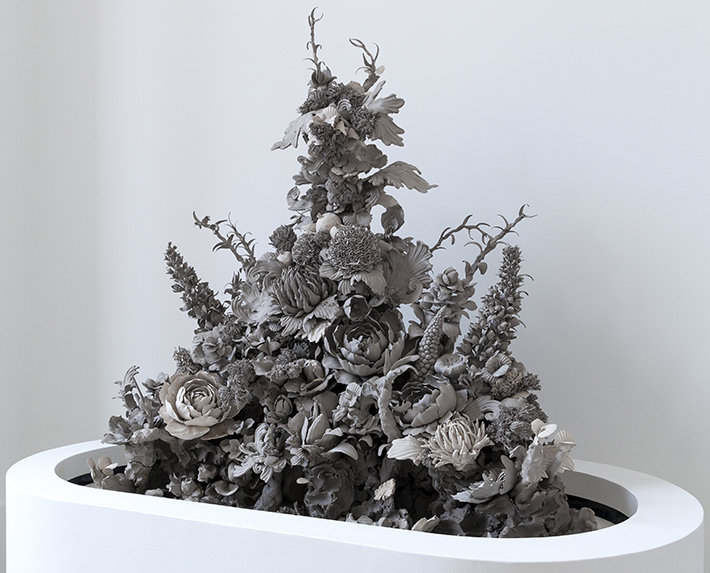
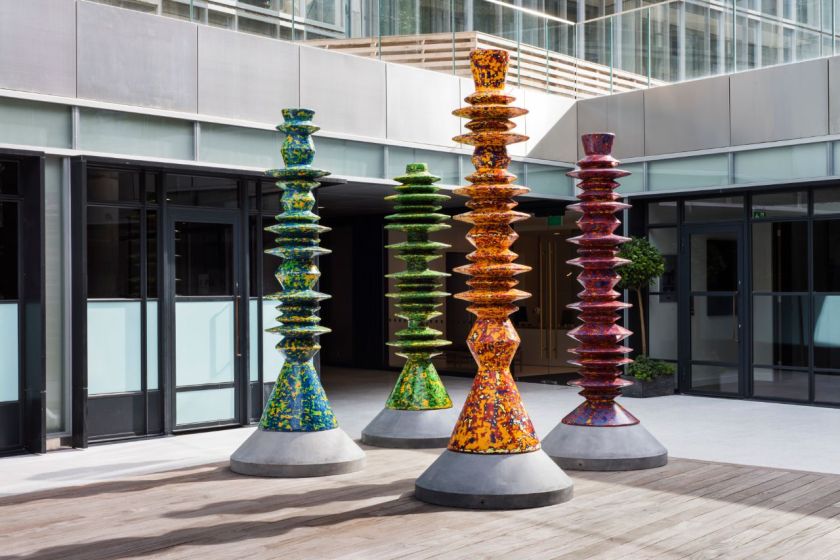
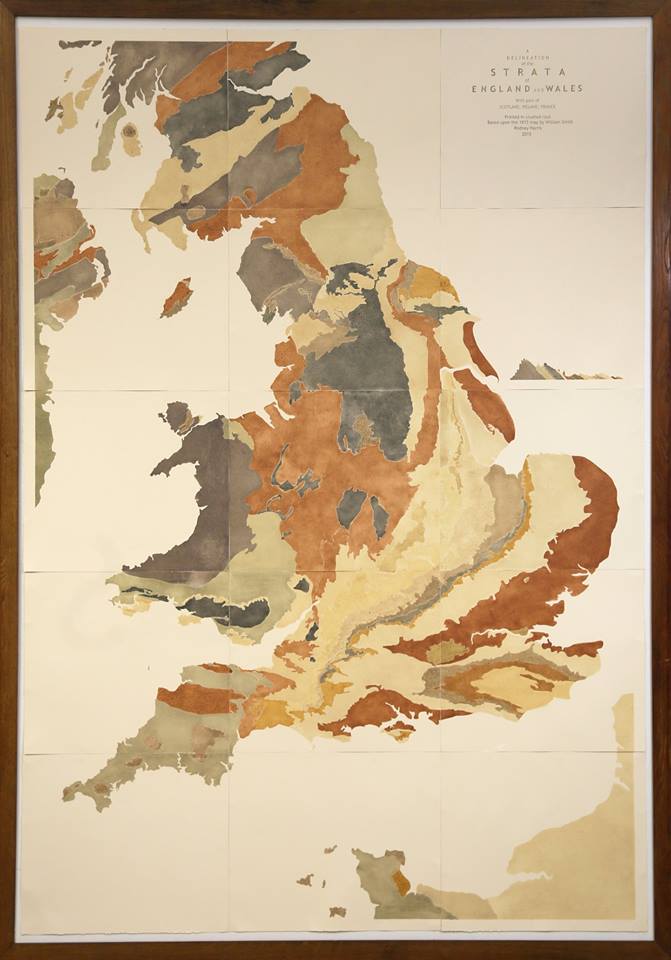


 BSAD Ceramics
You must be logged in to post a comment.